Have you heard of Osteoporosis?
Osteoporosis literally means “porous bones.” It is a progressive bone disease that occurs due to a loss of bone mass and structural deterioration of bone tissue.
Osteoporosis is common (approximately 2.3M Canadians have osteoporosis), often invisible, but also largely preventable and sometimes reversible. Your bones are living tissue that grows stronger when you challenge them. Protecting your bones, and therefore your bone density, starts with two simple steps and you can take both this month.
Osteoporosis isn’t really about a diagnosis, it’s about fractures. You can have thinning bones for years and feel perfectly fine, right up until a fall or an everyday movement causes a break. Osteoporosis Canada states that at least:
- 1 in 3 women 50+ will break a bone in their lifetime
- 1 in 5 men 50+ will break a bone in their lifetime.
A fractured hip or spine can mean lost independence, lasting pain, and a long recovery.
Don’t be discouraged!
The things that prevent those fractures are things you can start doing now.
The Good News: Strength Builds Bone
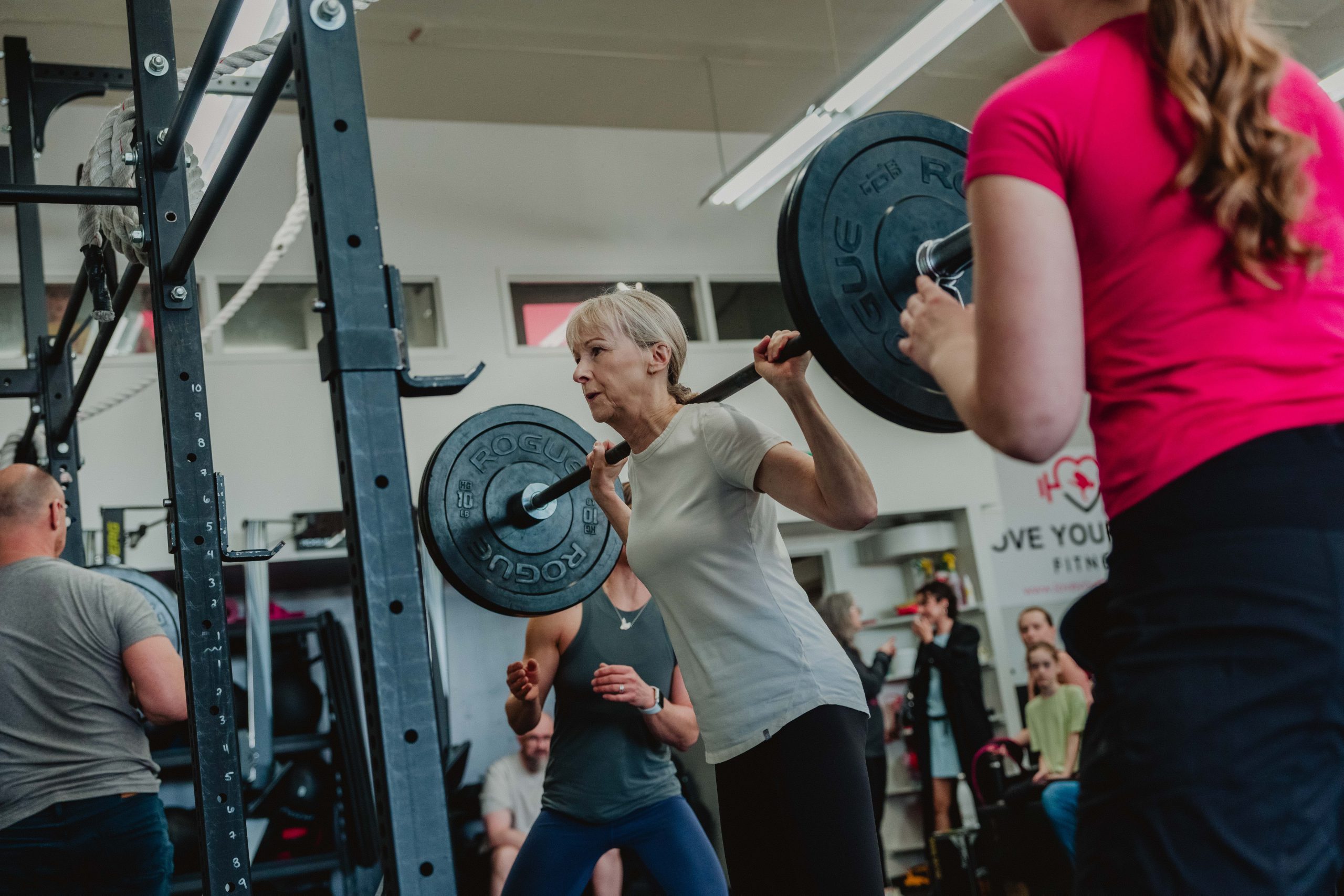
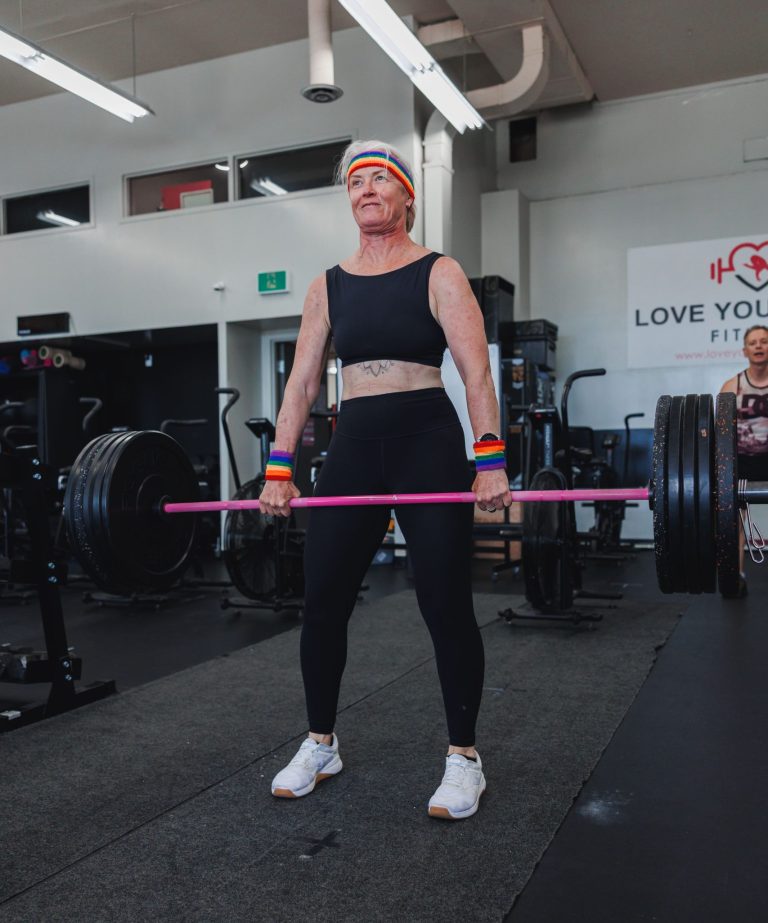
Bones respond to force. When you load them meaningfully, for example, lifting challenging weights, carrying, stepping, and impact — they get stronger. Gentle, low impact movement like walking, swimming, yoga, and Pilates is good for your heart, mood, mobility, and balance, but it does far less for your skeleton. That’s why a smart strength program is one of the most powerful tools you have.
Bones respond to Force – not sweat.
How to Build Bone
- Heavy strength training
- Jumping & impact
- Carrying heavy loads
- Sprinting
- Stepping & stairs
What the Research Shows: The LIFTMOR Study
If you’ve been told that people with osteoporosis or osteopenia should stick to light weights, the LIFTMOR trial data (Watson and colleagues, 2018) proves that strength training can positively improve bone density.
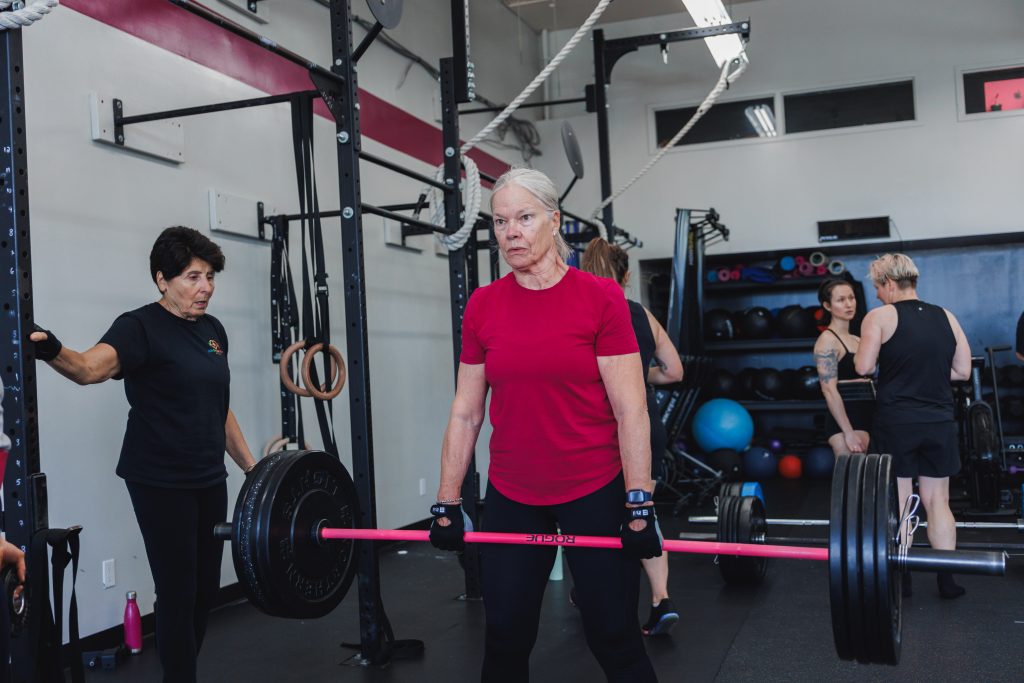
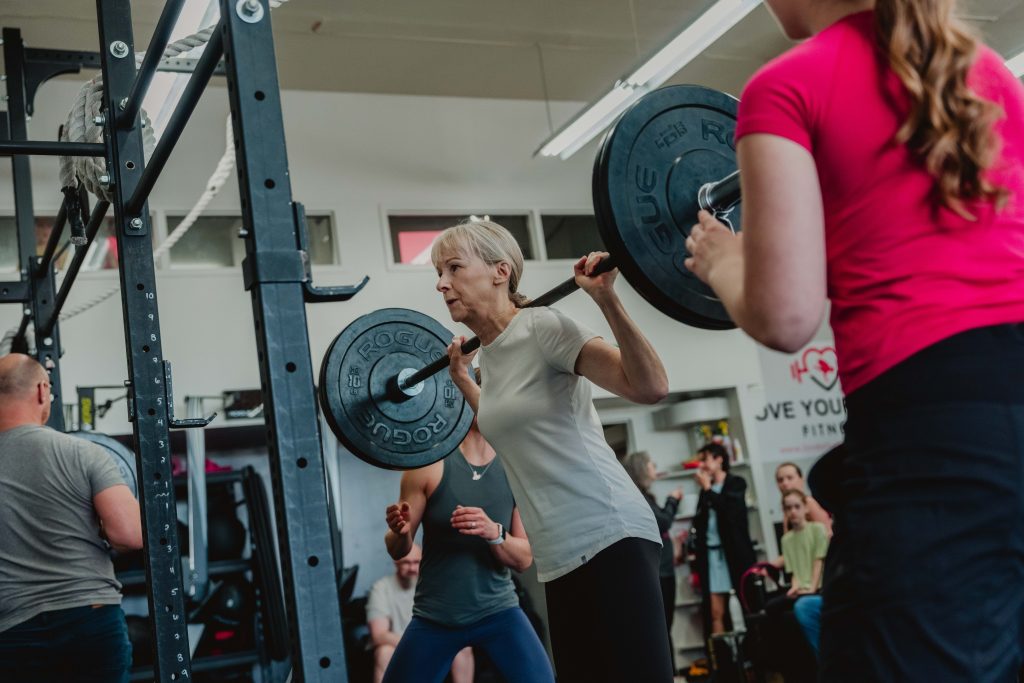
The study followed post-menopausal women who already had low bone density for eight months; they trained just twice a week, about 30 minutes a session, fully supervised. The exercises were not gentle: heavy back squats, deadlifts, and overhead presses at challenging loads (roughly 80–85% of their maximum, in sets of five), plus some impact work. A comparison group did a light, low-intensity home program.
The results:
- Spine bone density increased by about 2.9% in the heavy-lifting group — while the light-exercise group actually lost bone.
- Their hip (femoral neck) bone density improved, and so did their height — a meaningful sign of a healthier, taller-standing spine.
- They got noticeably stronger, moved better, and improved their posture and functional ability.
- And it was safe and well tolerated: the heavy training was completed with high adherence and did not cause fractures.
The bottom line:
Appropriately coached heavy strength training is one of the most effective tools we have to build bone. The key words are “appropriately coached”: the right exercises, the right loads, and steady progression built around you.
Measuring Bone Density: The DEXA Scan
A DEXA scan is the gold-standard test for bone density. It gives you a “T-score” that tells you where your bones stand today.
You may wish to speak with your Primary Care Practitioner about a DEXA scan if you are:
- Post-menopausal or over 50
- Have a family history of osteoporosis or fracture
- Have a family history of osteoporosis or fracture
- Have broken a bone from a minor fall
Train With People Who Know Bones
If you’re ready to start strength training but aren’t sure where to start look for a trainer who understands how to work with clients who have osteoporosis as well as understands:
- Progressive strength training
- Spine-smart movement: we teach you to hinge and brace so you protect your back for life
- Balance and fall-prevention work
There is never a better time than now to start strength training and improving your bone health.
About the author
Kate Laird is the owner of Love Your Body Fitness in Westboro, Ottawa — and she knows firsthand what it means to be busy. As a re-partnered single mom and business owner, she juggles parenting, entrepreneurship, and her own fitness journey. Kate built LYB to support people just like her: busy parents, professionals, and seniors who want to feel confident, strong, and energized. Through inclusive group fitness classes and expert personal training, she’s created a community that helps people show up for themselves — even on the busiest days.